
How to Write a Business Plan: Step-by-Step Guide
A business plan is your roadmap for success. It clarifies your strategy and convinces investors or partners in your ability to successfully deliver the product/service you are venturing into. Follow this structured template to create your comprehensive business plan.
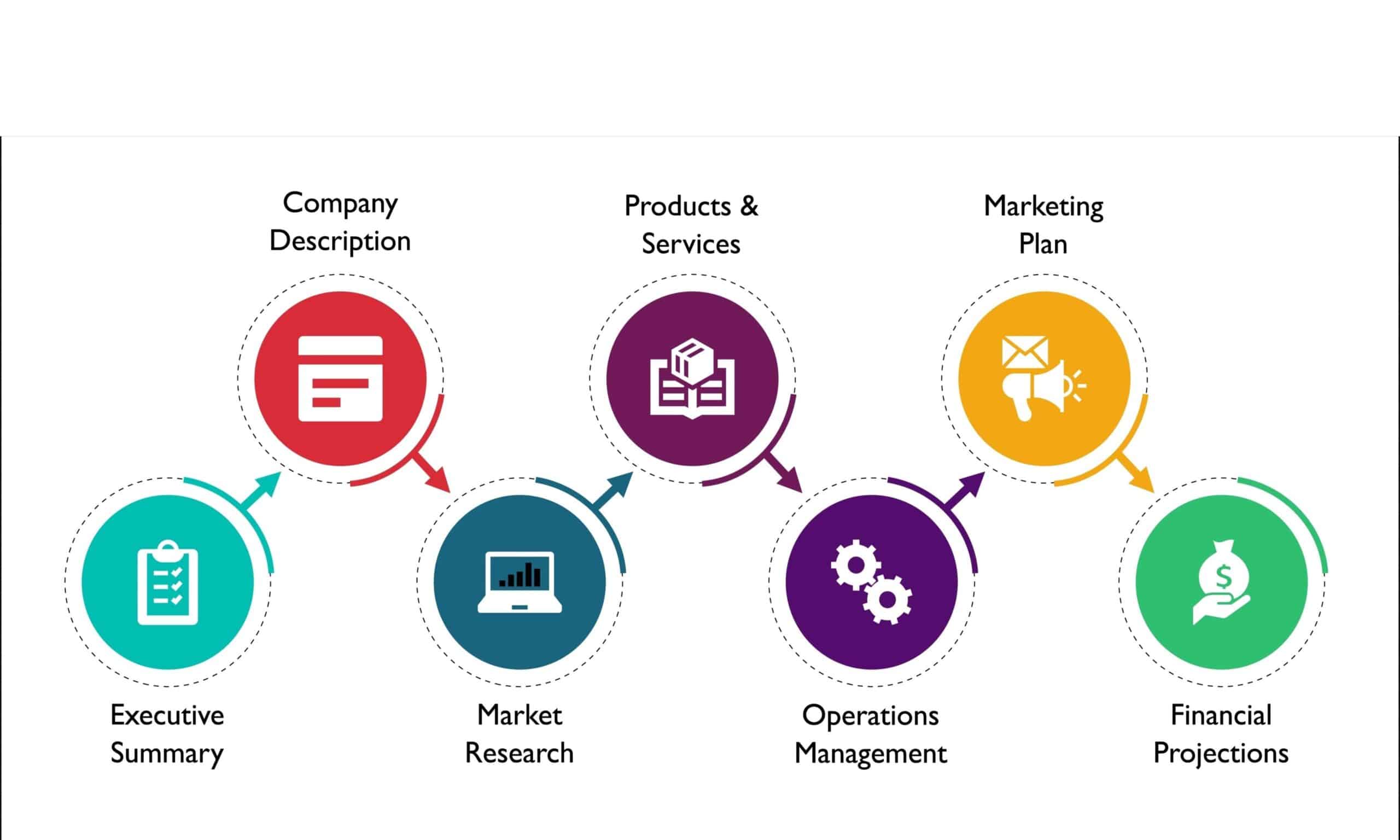
Executive Summary
Write this last. Summarize your business in 1 page:
- Business name, location, and mission statement
- Products/services overview
- Target market and unique value proposition
- Financial highlights (3-year revenue forecast)
- Funding ask and use of funds
Keep it compelling—investors read this first.
Company Description
Define your business foundation:
- Legal structure (LLC, corporation, sole prop)
- Ownership and management team
- Short- and long-term objectives
- Mission: What problem do you solve?
Example: “We provide SaaS tools that streamline e-commerce operations for SMBs, reducing cart abandonment by 35%.”
Product/Service Purpose
Detail what you offer and why it matters:
- Core product/service description
- Key features and benefits
- Problem it solves for customers
- Development stage (prototype, MVP, launched)
- Intellectual property status (patents pending, proprietary tech)
- Future roadmap (v2 features, expansions)
Customer pain point: “Current tools lack integrated funnel optimization, forcing manual workarounds.”
Market Analysis
Research your industry and customers:
- Industry size, growth rate, trends
- Target market demographics and psychographics
- Total addressable market (TAM) and serviceable market (SAM)
- Competitor analysis (strengths, weaknesses, market share)
- SWOT analysis (your Strengths, Weaknesses, Opportunities, Threats)
- Pricing strategy vs. competitors
Use free tools like Google Trends, Statista, or industry reports.
Positioning & Unique Value Proposition
Explain how you stand out:
- Brand positioning statement: “For [target customer] who [need], [your company] is [category] that [benefit] unlike [competitors].”
- Key differentiators (speed, cost, quality, integration)
- Customer testimonials or case studies (if available)
- Visual brand identity guidelines
Marketing & Sales Strategy
Outline customer acquisition:
- Channels: Meta Ads, Google Ads, programmatic, email, content, SEO, partnerships
- Customer journey: Awareness → Consideration → Decision → Retention
- Content strategy: Lead magnets, webinars, case studies
- Sales process: Demo calls, free trials, pricing tiers
Average response rates for forecasting (2026 benchmarks):
| Channel | Click-Through Rate (CTR) | Conversion Rate | Cost Per Click (CPC) |
|---|---|---|---|
| Meta Ads | 0.8–1.5% | 1.5–3% | $0.50–$2.00 |
| Google Ads (Search) | 3–5% | 3–5% | $1–$3 |
| Programmatic Display | 0.3–0.5% | 0.5–1% | $0.20–$0.80 |
Forecast formula: Leads = Impressions × CTR × Conversion Rate × Budget Efficiency
Fulfillment & Operations
How you deliver:
- Supply chain or production process
- Key vendors/partners
- Technology stack (CRM, inventory, fulfillment software)
- Customer support model (chat, email, phone)
- Scalability plan (hiring, automation)
- Facilities/equipment needs
Include fulfillment timelines: “Orders ship within 24 hours via integrated Shopify + ShipBob.”
Forecasting & Financial Projections
Project 3–5 years with realistic numbers:
- Revenue forecast: Units sold × Price × Growth rate
- Cost of goods sold (COGS): Materials + labor + shipping
- Operating expenses: Marketing, salaries, rent, software
- Cash flow statement: Monthly for Year 1, quarterly after
- Break-even analysis: Fixed costs ÷ (Price – Variable costs)
- Key metrics: CAC, LTV, churn rate, burn rate
Sample forecast template:
| Year | Revenue | Expenses | Net Profit |
|---|---|---|---|
| 1 | $250K | $300K | -$50K |
| 2 | $750K | $500K | $250K |
| 3 | $1.8M | $900K | $900K |
Funding Request
If seeking investment:
- Amount needed ($X for 18 months runway)
- Use of funds (40% marketing, 30% product dev, 20% team, 10% ops)
- Equity offered or loan terms
- Exit strategy (acquisition, IPO)
Appendix
Supporting documents:
- Resumes of key team members
- Market research data
- Product screenshots/mockups
- Contracts/LOIs from customers
- Legal agreements
Final Tips
- Keep it 15–30 pages max
- Use visuals: charts, graphs, mockups
- Update quarterly as assumptions change
- Tailor for audience (investors vs. banks vs. internal use)
Download a Google Docs template and fill section-by-section. Your first draft will take 20–40 hours—refine iteratively.