
How to Write a Business Plan: Step-by-Step Guide
Creating a business plan is essential not just for securing funding but also for guiding your business decisions. A comprehensive business plan acts as a reference point throughout your business journey. It should evolve as your business grows and changes, adapting to new market conditions, customer preferences, and technological advancements.
Moreover, a well-prepared business plan can help you articulate your vision and mission clearly, ensuring that all stakeholders are aligned. It also facilitates strategic thinking, enabling you to set measurable goals and evaluate your progress over time.
Consider including a ‘vision statement’ in your business plan. This statement can communicate your long-term goals and aspirations, which can be beneficial for motivating your team and appealing to investors.
The executive summary should not only summarize your business but also highlight your unique selling points. This can grab potential investors’ attention and encourage them to read further.
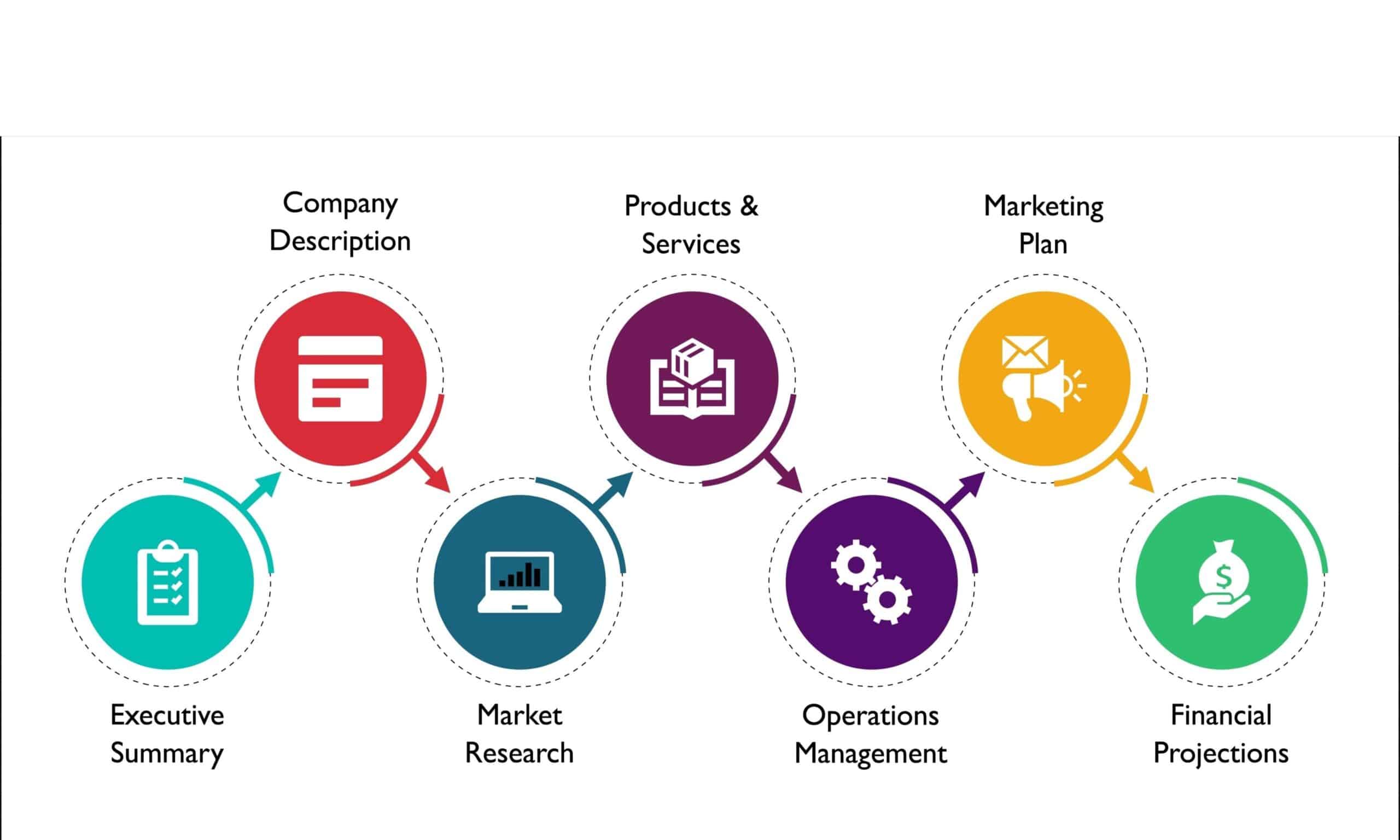
A business plan is your roadmap for success. It clarifies your strategy and convinces investors or partners in your ability to successfully deliver the product/service you are venturing into. Follow this structured template to create your comprehensive business plan.
Executive Summary
Write this last. Summarize your business in 1 page:
- Business name, location, and mission statement
- Products/services overview
- Target market and unique value proposition
- Financial highlights (3-year revenue forecast)
- Funding ask and use of funds
Keep it compelling—investors read this first.
Company Description
A powerful executive summary provides a compelling narrative that connects your business idea with your passion and expertise. By doing so, you can foster a personal connection with readers, making them more likely to invest in your vision.
Include relevant background information about your industry. Discuss its current state, potential for growth, and how your business fits into this landscape. This will provide context for the reader, helping them understand the significance of your business.
When describing your company, consider adding a brief history of its inception. Discuss the background of the founding team and the inspiration behind the business idea. This human element can create a more engaging narrative.
Define your business foundation:
- Legal structure (LLC, corporation, sole prop)
- Ownership and management team
- Short- and long-term objectives
- Mission: What problem do you solve?
Example: “We provide SaaS tools that streamline e-commerce operations for SMBs, reducing cart abandonment by 35%.”
Product/Service Purpose
Detail what you offer and why it matters:
- Core product/service description
- Key features and benefits
- Problem it solves for customers
- Development stage (prototype, MVP, launched)
- Intellectual property status (patents pending, proprietary tech)
- Future roadmap (v2 features, expansions)
Also, explain how your product or service fits within the market. Highlight what makes your offering unique and why customers should choose you over competitors. Use customer feedback or market research data to back up your claims.
Customer pain point: “Current tools lack integrated funnel optimization, forcing manual workarounds.”
Market Analysis
Research your industry and customers:
- Industry size, growth rate, trends
- Target market demographics and psychographics
- Total addressable market (TAM) and serviceable market (SAM)
- Competitor analysis (strengths, weaknesses, market share)
- SWOT analysis (your Strengths, Weaknesses, Opportunities, Threats)
- Pricing strategy vs. competitors
Use free tools like Google Trends, Statista, or industry reports.
Positioning & Unique Value Proposition
Explain how you stand out:
- Brand positioning statement: “For [target customer] who [need], [your company] is [category] that [benefit] unlike [competitors].”
- Key differentiators (speed, cost, quality, integration)
- Customer testimonials or case studies (if available)
- Visual brand identity guidelines
Marketing & Sales Strategy
As you dive into market analysis, consider including graphs or charts to visually represent key statistics. Visual aids can enhance comprehension and retention for your audience.
Outline customer acquisition:
- Channels: Meta Ads, Google Ads, programmatic, email, content, SEO, partnerships
- Customer journey: Awareness → Consideration → Decision → Retention
- Content strategy: Lead magnets, webinars, case studies
- Sales process: Demo calls, free trials, pricing tiers
Average response rates for forecasting (2026 benchmarks):
| Channel | Click-Through Rate (CTR) | Conversion Rate | Cost Per Click (CPC) |
|---|---|---|---|
| Meta Ads | 0.8–1.5% | 1.5–3% | $0.50–$2.00 |
| Google Ads (Search) | 3–5% | 3–5% | $1–$3 |
| Programmatic Display | 0.3–0.5% | 0.5–1% | $0.20–$0.80 |
Forecast formula: Leads = Impressions × CTR × Conversion Rate × Budget Efficiency
Fulfillment & Operations
How you deliver:
- Supply chain or production process
- Key vendors/partners
- Technology stack (CRM, inventory, fulfillment software)
- Customer support model (chat, email, phone)
- Scalability plan (hiring, automation)
- Facilities/equipment needs
Include fulfillment timelines: “Orders ship within 24 hours via integrated Shopify + ShipBob.”
Additionally, analyzing your competition in depth can provide insights into market gaps that your business can exploit. Discuss not just their strengths but also their weaknesses and how your business can capitalize on these gaps.
Forecasting & Financial Projections
Project 3–5 years with realistic numbers:
- Revenue forecast: Units sold × Price × Growth rate
- Cost of goods sold (COGS): Materials + labor + shipping
- Operating expenses: Marketing, salaries, rent, software
- Cash flow statement: Monthly for Year 1, quarterly after
- Break-even analysis: Fixed costs ÷ (Price – Variable costs)
- Key metrics: CAC, LTV, churn rate, burn rate
Sample forecast template:
| Year | Revenue | Expenses | Net Profit |
|---|---|---|---|
| 1 | $250K | $300K | -$50K |
| 2 | $750K | $500K | $250K |
| 3 | $1.8M | $900K | $900K |
Conclusion”>Conclusion
In summary, a well-crafted business plan is essential for any entrepreneur. It serves as the foundational document that outlines your business’s vision, strategy, and operational plans. By following this guide, you can create a comprehensive business plan that not only helps you secure funding but also provides a roadmap for your business’s future. A successful business plan should be clear, detailed, and adaptable, reflecting both your current position and future aspirations. Remember, the ultimate goal is to demonstrate to investors and partners that you have a well-thought-out approach to building and growing your business effectively.
If seeking investment:
- Amount needed ($X for 18 months runway)
- Use of funds (40% marketing, 30% product dev, 20% team, 10% ops)
- Equity offered or loan terms
- Exit strategy (acquisition, IPO)
Appendix
Supporting documents:
- Resumes of key team members
- Market research data
- Product screenshots/mockups
- Contracts/LOIs from customers
- Legal agreements
Final Tips
- Keep it 15–30 pages max
- Use visuals: charts, graphs, mockups
- Update quarterly as assumptions change
- Tailor for audience (investors vs. banks vs. internal use)
Download a Google Docs template and fill section-by-section. Your first draft will take 20–40 hours—refine iteratively. Remember, a great business plan is not just a document; it is a living guide that will evolve as your business grows. Tailor it to your audience, keeping in mind that different stakeholders may have different interests and concerns. Ultimately, your business plan should clearly communicate why your business is a worthwhile investment and how you plan to achieve your goals.
The appendix could also include additional market research data, detailed resumes of your team members, and any awards or recognitions that validate your business. These supporting documents can strengthen your overall business case.
Finally, consider including a contingency plan. Investors appreciate knowing how you will navigate potential challenges or setbacks. This demonstrates foresight and preparedness, qualities that are highly valued in business leadership.