
10
Dec
Let’s talk serious here – SEO is great and all the buzz and rage and everyone is doing it. ... read more
SEO Cheat Sheet Provided by Moz Search engine optimization is changing by the moment. Google and Matt Cutts have resources... read more
It’s important to provide value to your customers, whether it be your direct customers or indirect customers. The... read more
The Advertising Evolution: Content Marketing As time progresses and every technologist can hang a shingle and provide apps to make... read more
SEO_Training Work Sample SEO Cheat Sheet by Moz read more
If you’re like me, you were attracted to the internet due to not only the obvious of enabling anyone... read more
Real Estate Agents must pass state licensing examinations, making them educated professionals in their field. Avoid scams and... read more
 © Copyright 2018. All Rights Reserved.

And made £3 billion doing it.
A lot of brands die protecting what made them famous.
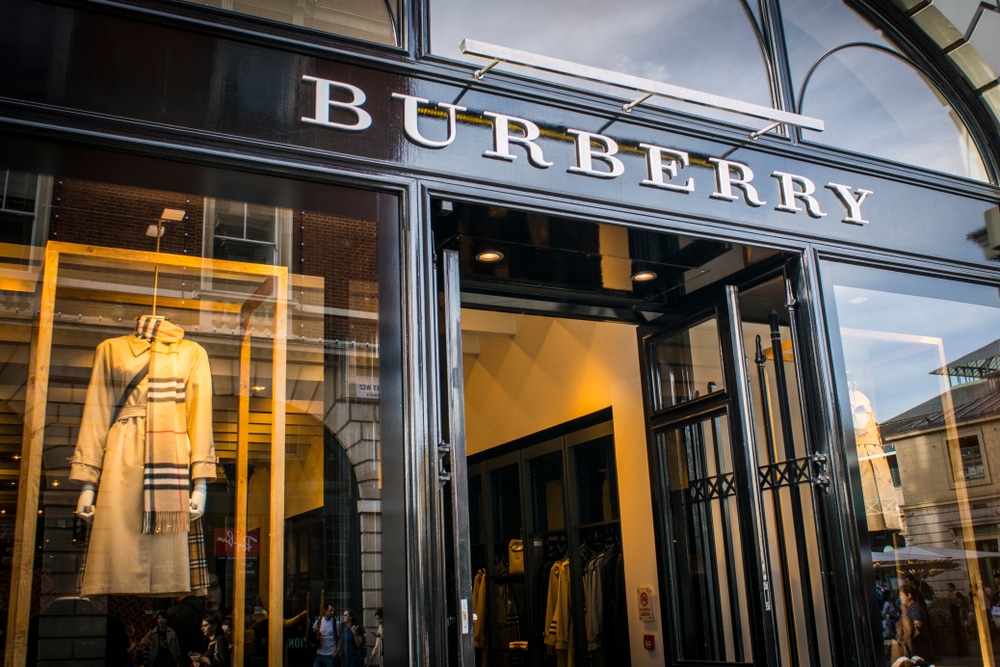
Burberry almost did.
By 2004, their iconic Nova Check wasn’t on royalty anymore.
It was on soccer hooligans.
Gang members.
Counterfeit tracksuits selling for £30 at discount shops.
The pattern that once dressed Audrey Hepburn?
Now called “chav check” by British media.
90% of Burberry products in the UK were FAKES.
Sales dropped 20%.
The brand was dying in real-time.
Here’s what most companies would’ve done:
→ Defend the heritage
→ Fight the perception
→ Double down on tradition
Burberry did the opposite.
They KILLED their most recognizable asset.
Rose Marie Bravo (CEO in 2001) made a brutal call:
Cut the check pattern from 10% of designs down to 1%.
Hide it in linings.
Remove it from view.
Basically erased the thing everyone knew them for.
Sounds insane, right?
But here’s the genius part…
While competitors were chasing trends, Burberry went back to what they invented in 1879:
The trench coat.
The outerwear.
The British heritage nobody could fake properly.
They didn’t just rebrand.
They rebuilt from the FOUNDATION.
→ Launched “Art of the Trench” in 2009 (10 million views)
→ Live-streamed fashion shows before anyone else
→ Got Emma Watson as the face in 2009
→ Seized £100 million in counterfeits annually
By 2014?
Revenue went from £740 million to £3 billion.
Stock up 500%.
Market cap hit £10 billion.
But the story doesn’t end there.
Fast forward to 2024…
Burberry‘s struggling again.
Lost £41 million.
Sales down 20%.
China market collapsing.
They brought in Joshua Schulman (ex-Coach, Michael Kors).
His move?
SAME playbook with a modern twist:
→ Focus on hero products (trench coats up 15%)
→ Bring back the check (but sparingly)
→ Cut £100 million in costs
→ Target Gen Z in China with K-pop ambassadors
Result in 2025?
First sales growth in 2 years.
Shares DOUBLED.
Back in the FTSE 100.
Brand heat rising 40% year-over-year.
The lesson isn’t about fashion.
It’s about brand equity.
Most companies think their “signature thing” is untouchable.
That protecting what made them famous is the only path.
Burberry proved the opposite:
Sometimes you have to DESTROY your most recognizable asset…
To save what you actually stand for.
They didn’t abandon their heritage.
They just stopped letting it be defined by people who didn’t value it.
When your brand gets co-opted, you have two choices:
Fight for the perception.
Or rebuild the foundation.
Burberry chose rebuilding.
Twice.
And both times, it worked.
Your brand isn’t what you SAY it is.
It’s what the market BELIEVES it is.
If that belief gets corrupted?
You don’t defend the corruption.
You cut it out and start fresh.
Even if it means killing your cash cow.